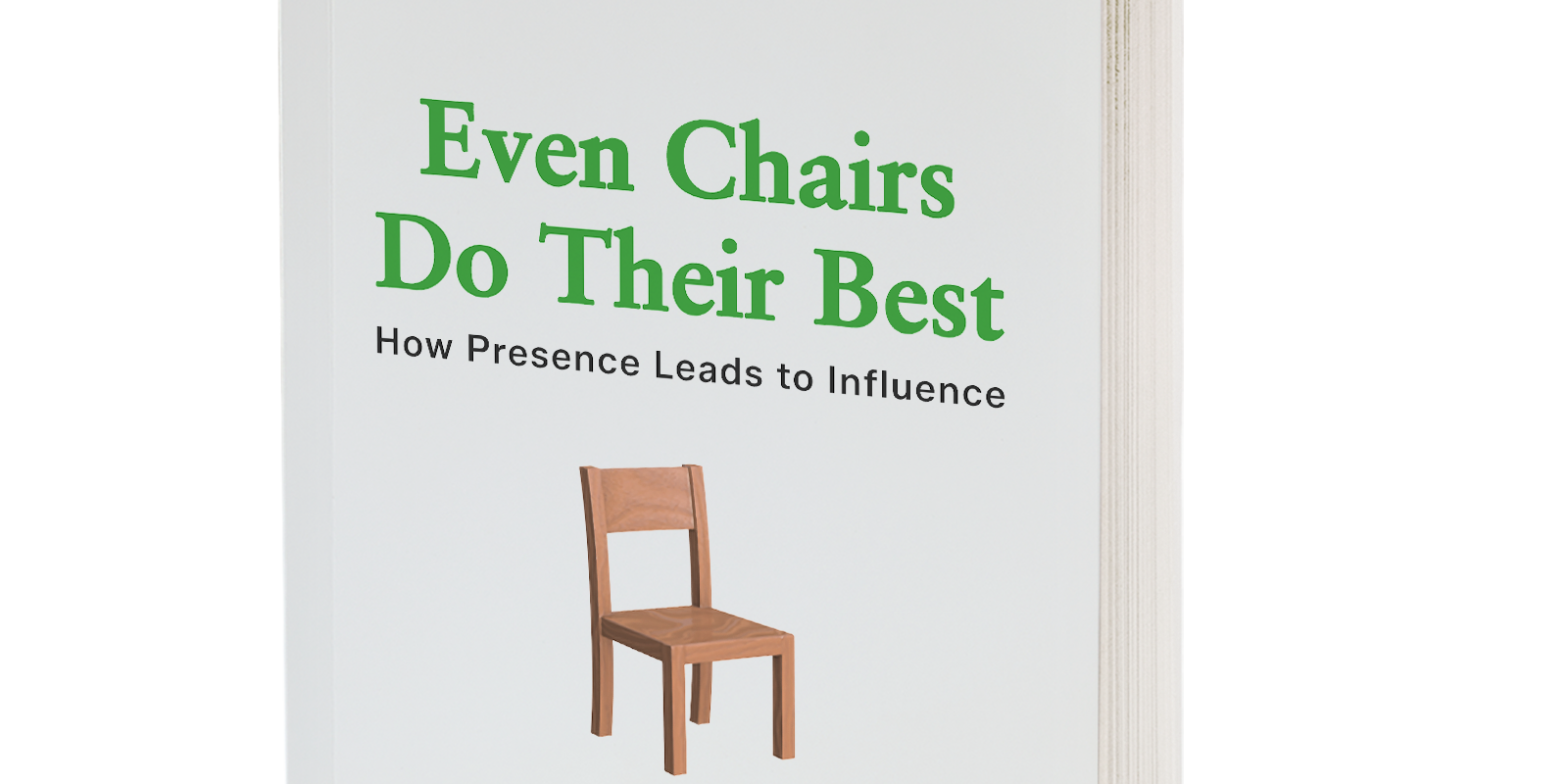
Lloyd Luna’s Even Chairs Do Their Best occupies a unique niche by blending the philosophical metaphors of Asian motivational speaking with the practical archetypes found in Western corporate leadership literature.
While it shares the “people-first” DNA of many NYT bestsellers, its “No-Choice Philosophy” provides a more stoic contrast to the psychological approach of books like Leaders Eat Last.
Comparative Analysis: The Chair Philosophy vs. NYT Bestsellers
| Book | Core Philosophy | How it Compares to “The Chair” |
| Leaders Eat Last (Simon Sinek) | The Circle of Safety: Leaders create environments where endorphins and oxytocin thrive. | Contrast: Sinek focuses on the biological need for safety,whereas Luna focuses on the mechanical reliability of duty (The Stool). |
| The Leadership Gap (Lolly Daskal) | The 7 Archetypes: Leaders must recognize their “inner archetypes” (Rebel, Explorer, etc.) to bridge gaps. | Similarity: Both use archetypes to define behavior. Difference: Daskal’s are psychological/Jungian, while Luna’s are functional/metaphorical. |
| Atomic Habits(James Clear) | Systemic Growth: Small 1% changes lead to massive long-term results. | Similarity: Both emphasize the power of consistency. Luna’s “No-Choice” mandate mirrors Clear’s idea of making success an automated habit rather than a daily struggle. |
| Radical Candor(Kim Scott) | Care Personally + Challenge Directly: Build trust through blunt, kind feedback. | Similarity: Aligns with Luna’s Dentist’s Chair archetype (precision and high-stakes honesty). |
| Essentialism(Greg McKeown) | Disciplined Pursuit of Less: Doing only what is essential. | Similarity: Mirrors the simplicity of The Stool or The Folding Chair, which focus on being exactly what is needed without unnecessary “padding” or distraction. |
Key Distinctions
1. Accountability vs. Empathy
Many Western bestsellers, like Brené Brown’s Dare to Lead, emphasize vulnerability as a leadership superpower. Luna’s philosophy leans more toward accountability; he argues that like a chair, a leader’s primary value is their unwavering presence and refusal to quit, even under heavy weight.
2. The Source of Influence
- NYT Standard: Influence is often presented as something you build through skills or networking (e.g., How to Win Friends and Influence People).
- Luna’s View: Presence is a “currency” earned through being interesting and occupying space so effectively that you have no choice but to be noticed.
3. Functional Archetypes
While Lolly Daskal identifies archetypes like the Truth Teller or Navigator, Luna’s 10 archetypes (The Throne, The Swivel Chair, etc.) are specifically designed to help people find their functional fit within an organization’s “furniture”.
Simon Sinek: Why Leaders Eat Last
This video provides a deep dive into the biological and social reasons why leaders must prioritize their team’s safety, offering a direct psychological comparison to the “functional duty” found in Luna’s chair metaphors.