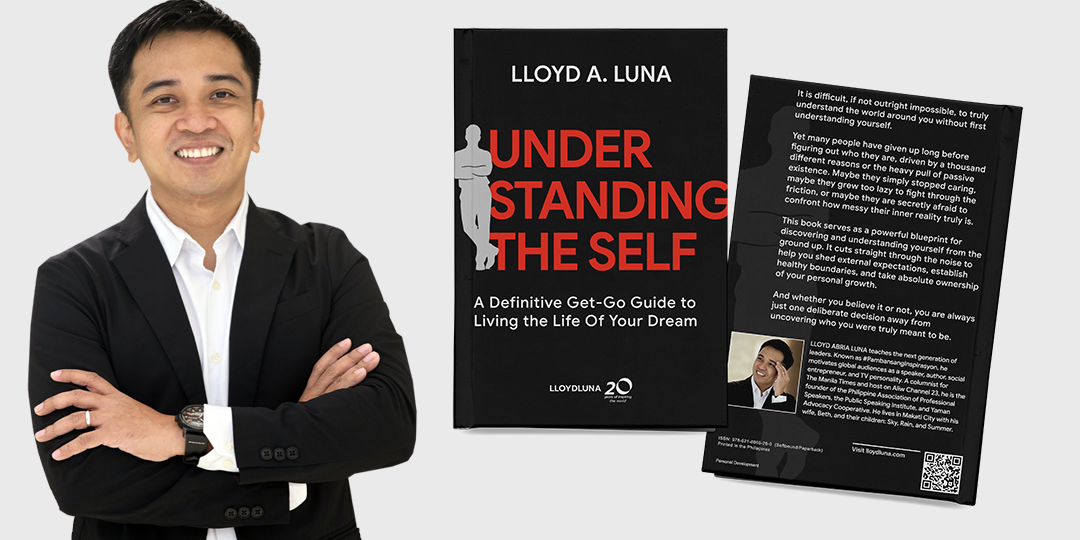
Waking Up from Passive Existence
Part 1: The Motivational Narrative
To say that I was an ideal student is far from the truth. In fact, it was the opposite. The reason? I took a course I didn’t prefer. For sheer practicality, I chose a Bachelor of Science in Electronics and Communications Engineering—arguably the last thing I wanted to do, primarily because I hated math. If I had followed my heart, I could have taken Mass Communication, Journalism, or anything involving writing, because writing is what I love doing most.
Rebelling against practical pressures, I handled my first semester poorly: late, lacking interest, spending time in shopping malls, drinking with friends, and routinely failing academic requirements. Looking back, I realized how easily we let time pass doing nothing of substance (Alphabet of Achievement, Luna, 2010).
I was at a total loss with no guidance, treading water just long enough to survive each semester with help from classmates. Those habits led nowhere. Instead of fixing my poor decisions, I focused on merely getting by, falsely assuming everyone else was doing the same.
Yet, those early college days were never going to amount to anything meaningful. Subconsciously, I was trying to find a path back into the clear. Eventually, I realized the “rebel excursion” had to end, or I would risk wasting my life entirely.
That is the dangerous trap of passive existence. We settle into routines dictated by external pressures, accept historical conditioning without a fight, and mistake mere comfort for purpose (Where To Find Success, Luna, 2008).
Part 2: The Core Teaching
In Understanding the Self, a foundational task is examining forces and factors shaping identity across philosophy, sociology, and psychology. Chapter 1 centers on a fundamental distinction: passive survival versus existence by design.
The Trap of External Conditioning and Practicality
When individuals make major life choices based solely on external expectations—societal pressure, familial demands, or economic utility—while ignoring core inclinations, they experience a disconnect from their authentic self. Surrendering agency without critical reflection leads to passive adaptation. Much like the trap of being a good person who ends up broke because they fail to navigate the system with intentionality, drifting through life leaves you entirely at the mercy of circumstance (Why Good People Fail, Luna, 2011).
The Mechanics of Passive Existence
Passive existence is characterized by:
- Operating on Autopilot: Drifting through classes, careers, or daily tasks without intentional direction.
- External Locus of Control: Believing circumstances, other people, or bad luck completely dictate outcomes.
- Mistaking Motion for Progress: Staying busy with distractions while avoiding the uncomfortable work of personal alignment.
Waking Up Through Self-Evaluation
Transitioning to intentional design requires presence—showing up fully (Even Chairs Do Their Best, Luna, 2026). Like a chair bearing weight without complaint, an intentional individual sits squarely in reality, faces choices, and takes ownership. Waking up means stopping lamentations and starting rigorous self-assessment (Why Am I Working?, Luna, 2010).
Part 3: Real-World Application
Theory without execution remains an illusion. Moving away from passive survival requires deliberate interventions:
- Abandoning Extra Baggage: Shed the bitterness of past missteps, grudges, and excuses. Carrying unnecessary weight guarantees exhaustion.
- The “No-Exit Rule”: You cannot keep an exit door open for every discomfort. When you commit to a path or pivot with clarity, you must burn the ships of hesitation (Even Chairs Do Their Best, Luna, 2026).
- Confronting Reality Head-On: Stop waiting for ideal conditions or external permission to change course; map out your true objectives and take immediate accountability for your trajectory (Why Am I Working?, Luna, 2010).
Part 4: Practical Action Plan & Reflection
Reflection Log
- The Inventory of Passivity: Identify one area in your current life where you are merely treading water or acting as a passive bystander. What external pressures or fears put you there?
- The Cost of Complacency: Look back at a habit similar to my mall-hopping days. What temporary comfort were you buying, and what long-term future were you paying for it with?
Action Checklist
- Isolate one concrete habit that drains your focus and replace it immediately.
- Find a peer or partner to review your commitments and hold you strictly to your execution timeline.
Post your answer in the comment section of the post: https://www.facebook.com/groups/utscommunity